Access Is Not Enough: The Produce Industry’s Role in Turning Produce Access Into Lasting Behavior Change
Co-Authored by:
Alex DiNovo, President, DNO Produce
Mollie Van Lieu, Vice President, Nutrition and Health Policy, IFPA
Across the country, there is growing consensus that increasing fruit and vegetable consumption is essential to improving long-term health outcomes. Federal nutrition programs, updated school meal standards, the newly released Dietary Guidelines for Americans, and expanded conversations around Food as Medicine all point in the same direction: produce must play a larger role in the American diet.
The good news is that the fresh produce industry was ahead of the curve and has been advocating for decades for increased access of fruits and vegetables. This has resulted in a dedicated fruit and vegetable benefit for the millions of young families eligible for WIC (nearly half of all babies born in the U.S. today); both a fruit and vegetable served daily to the more than 30 million students who eat school lunch; incentives in the SNAP program and the creation of the Fresh Fruit and Vegetable Program.
But access alone is not enough.
Policy efforts have focused primarily on availability, ensuring fruits and vegetables are offered in schools through programs like the National School Lunch Program and supported through broader federal nutrition initiatives. These programs are foundational and vitally important. The federal government did fund a nutrition education program called SNAP-Ed to the tune of a half a billion dollars annually, but that program was eliminated in the One Big Beautiful Bill signed into law last summer. While this will reduce resources nonprofits and extension services use in communities around the country, we’ve always needed to do more. Simply placing produce in front of children does not automatically translate into sustained preference or long-term consumption.
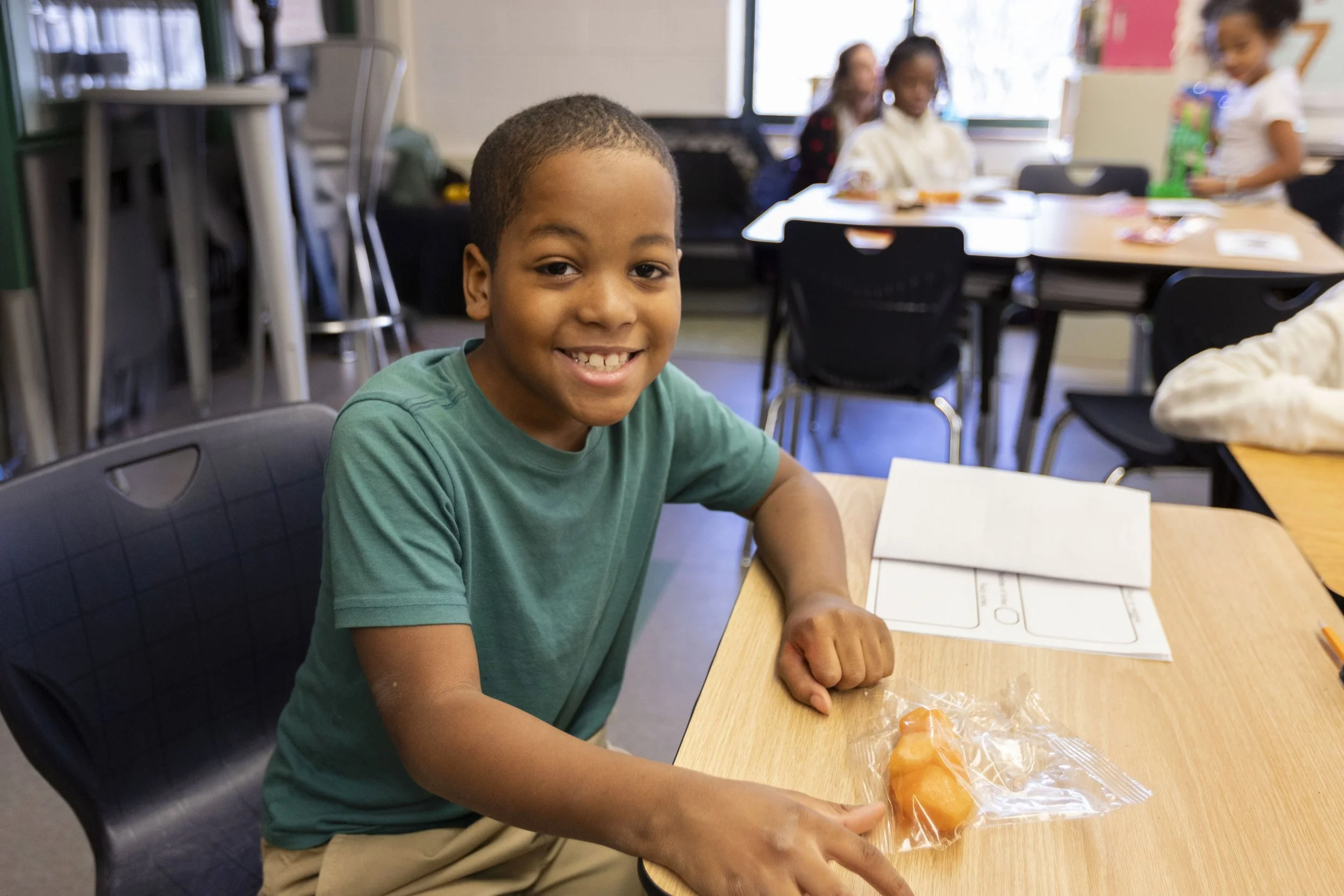
Behavior change requires familiarity, repetition, and trust.
And as an industry, we play a critical role in ensuring the fruits and vegetables we grow, deliver, and advocate to include become a part of our consumers’ everyday habits. We must finish the fight. It is good for both public health and our businesses’ long-term stability.
One example of this in practice is our work with school-based produce programs. At DNO, we have embedded this approach into our business model and have seen the difference between passive distribution and intentional integration. When FFVP is treated simply as a snack break, behavior change is modest. When fresh produce is paired with structured food education - including taste testing, classroom discussion, visual materials, and repeated reinforcement - outcomes shift.
Based on data collected by our partners at the food education nonprofit Pilot Light, SnackTime Explorers - a program developed collaboratively by DNO and Pilot Light to strengthen FFVP tasting time through food education - is showing measurable impact in the classroom. In classrooms where the program was intentionally integrated alongside FFVP, 84% of students in one district reported feeling more connected to their teachers and classmates when trying new foods together, up from 47% pre-program. Seventy-eight percent said they felt confident enough to teach someone else about trying new fruits and vegetables, up from 55%. This is how exposure becomes normalization, and normalization becomes preference.
Teachers report a positive impact as well. Seventy-one percent in a participating district say they feel supported with resources to integrate FFVP tastings into their classroom (compared to 25% pre-program), and 57% observe greater student willingness and excitement to try new fruits and vegetables (up from 33%). When produce becomes part of a learning moment rather than a transactional handout, it builds literacy, not just access.
This matters because fruits and vegetables represent the direct counterweight to ultra-processed foods.
They are whole, nutrient-dense, and inherently aligned with prevention. Yet children are surrounded by aggressive marketing and engineered convenience that shape taste early. If produce is to compete, it must be more than available, it must be understood and experienced.
The good news is that the infrastructure already exists. FFVP reaches millions of elementary students annually. Partnerships among growers, distributors, schools, nonprofits, and policymakers can amplify its impact without building entirely new systems. By structuring procurement models to value education, variety, and service alongside price, school districts can reinforce the program’s original intent: improving lifelong eating habits.
As the produce industry, educators, healthcare leaders, and policymakers consider the next phase of nutrition reform, the focus should shift from simply increasing access to measurably increasing consumption. That requires alignment across policy design, procurement strategy, and classroom experience. We all play a part and none of us can be successful working in silos.
Access opens the door, but it is education, repetition, and positive experience that move children from exposure to lasting consumption. At a time when federal nutrition programs, school meal standards, and Food as Medicine efforts are all pointing toward a healthier future, the produce industry has an opportunity to do more than supply fruits and vegetables, we can help make them a meaningful and lasting part of how the next generation eats. If we want to improve long-term health outcomes, strengthen our communities, and secure the future of our industry, access alone cannot be the finish line. It must be the starting point.