Marketing the Mission
“Marketing is changing beliefs” is a quote one of my marketing professors shared during my master’s program. It is simple, but it has always stuck with me. As marketers, we can sometimes overcomplicate, overanalyze, and make things harder than they need to be. At DNO, I try to lead our marketing department with this philosophy in mind: prioritize storytelling over selling, and value connection over conversion.
At the end of the day, every department plays a role in growing the business; marketing just has a unique approach. We may not always be able to track every sale back to a social media post, but we can help make DNO memorable. We want people to think of us when they see a student trying watermelon radish for the first time, a classroom tasting fresh mango slices, or a team working behind the scenes to make fresh produce more accessible. Good marketing helps bridge the gap between what we do & why people should care.
What Our Department Does
Our department handles social media, email marketing, tradeshow presence, collaborative partnerships, website content, and audience engagement. Each of these channels is different, but they all need to feel connected through a consistent brand voice, message, and visual identity.
For example, when you think of Netflix, your brain probably goes to the big red “N” and maybe even the classic “tudum” sound. When you think of Apple, you might think sleek, modern, and visionary. Our team has worked hard to clarify the voice and mission of our brand so that when people see our rainbow cauliflower or mango slices, they think of the hands that packaged it, the team that delivered it, and the kids enjoying it in classrooms across the country.
How We Work With Other Teams
One of the most important parts of working in marketing is knowing how to collaborate across teams. Aside from creating visually compelling sales materials, we look to each department at DNO to find stories that help connect our audience to our products and our people.
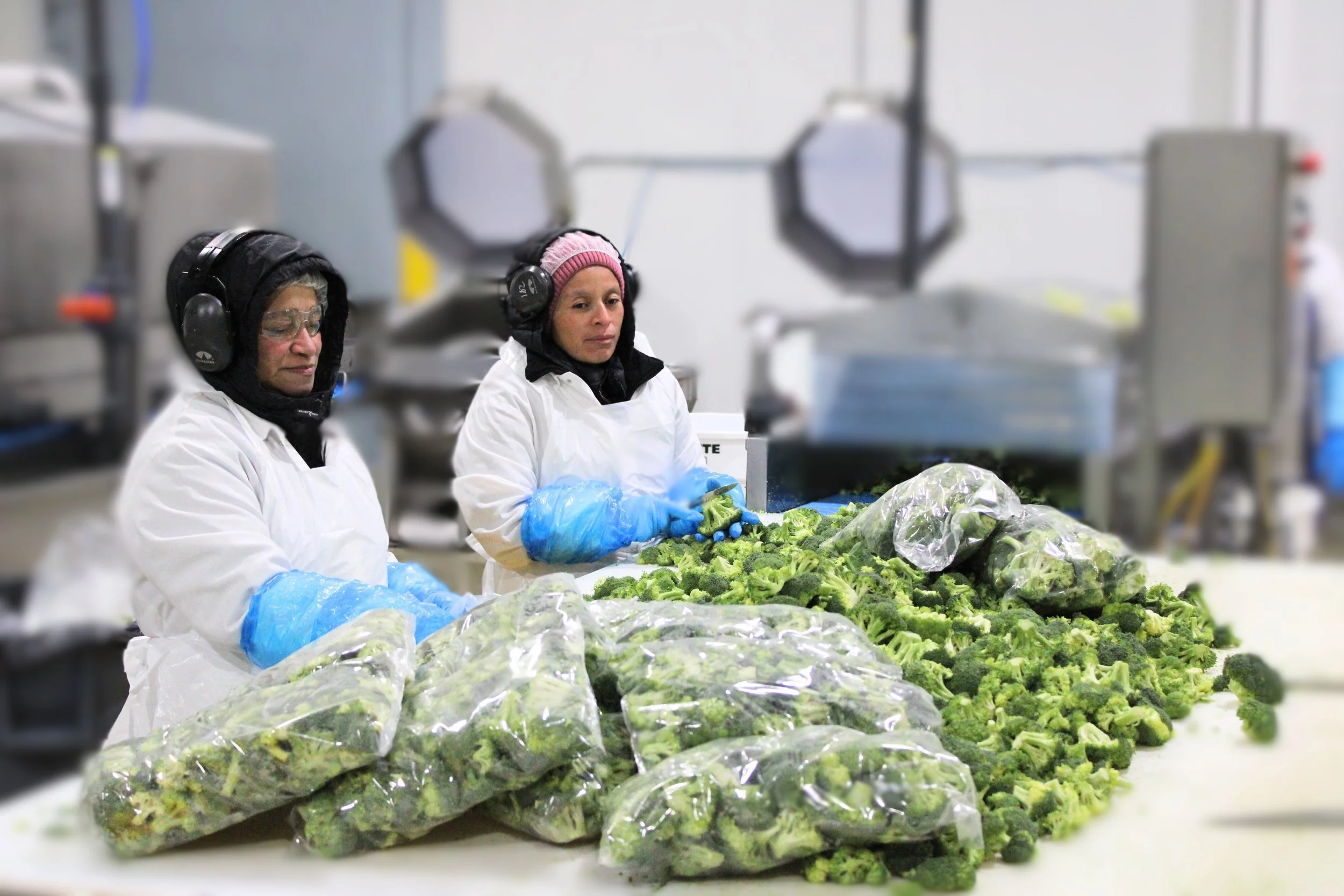
For example, you’ll meet Juana, our Quality Assurance Supervisor, who has been with DNO for nine years. She started on the processing floor and worked her way up to overseeing our food safety team. You’ll hear from Nick, our VP of Supply Chain, who has worked in produce for more than 20 years. We’ve shared how his experience helps us navigate the ever-changing landscape of produce procurement. You’ll also see us suiting up and taking photos on the production floor, connecting with the people who make our products possible every day.
Fun Projects We’ve Worked On
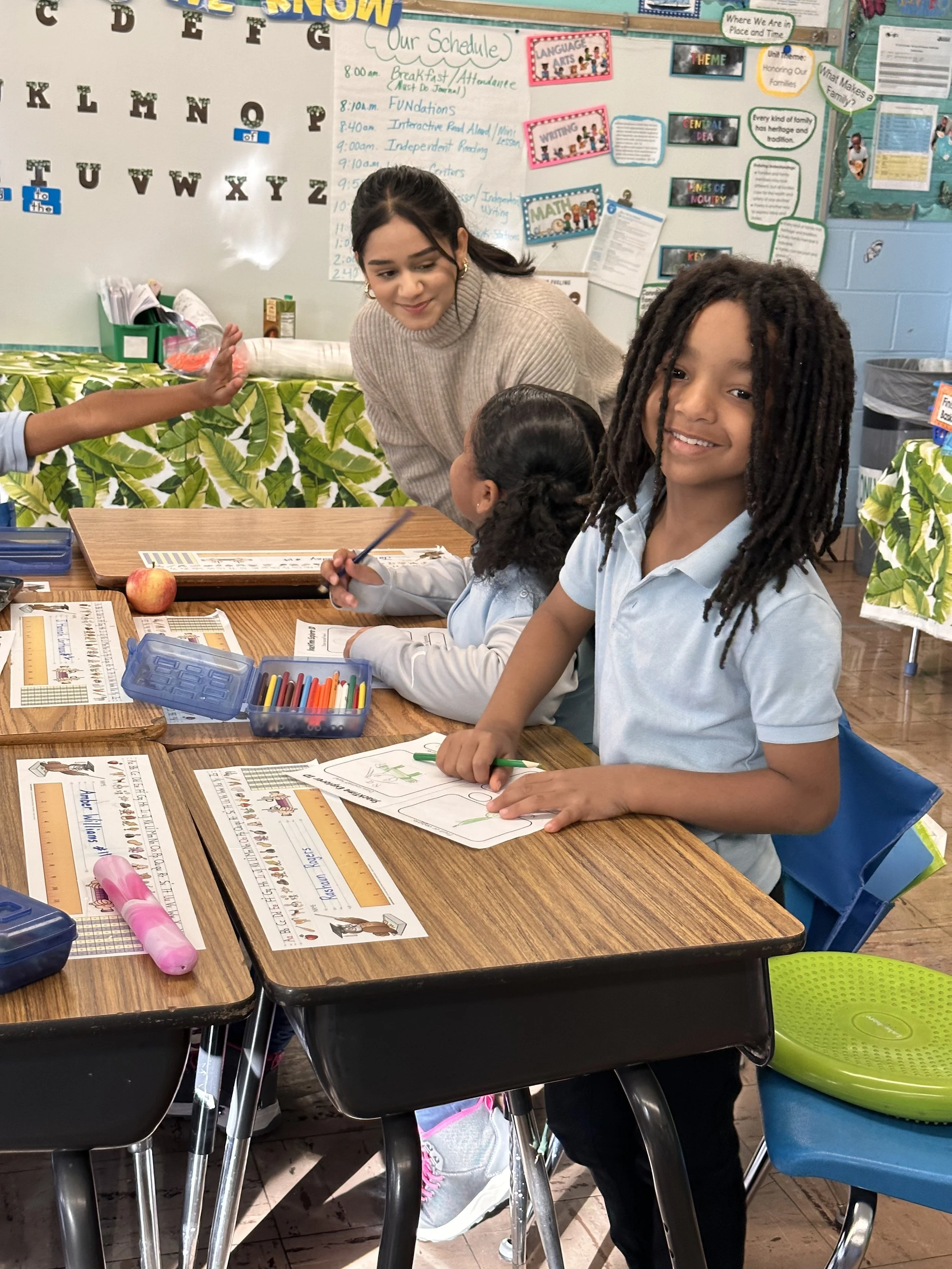
Marketing, to me, has always been a way to lean into my creativity and love of collaboration. I’ve had the chance to work on really exciting projects, including SnackTime Explorers, a program designed to give teachers the tools to educate students about fresh produce while giving kids a chance to learn more about the foods they eat every day.
Through SnackTime Explorers, students get to ask questions like, “How does this food help make me healthy?” or “How does this item grow?” The program creates space for curiosity, conversation, and trying new things in the classroom. For example, we’ve seen a 37% increase in students agreeing with the statement, “I feel connected to my teachers and classmates when we try new foods together.” In addition, 71% of program teachers reported that they “feel supported with resources to integrate FFVP tastings into my classroom” after participating. To me, that’s what makes marketing so powerful: it helps bring purpose-driven work to life.
What Makes Marketing at DNO Unique
What makes marketing at DNO unique is that so much of our work goes beyond simply promoting products. It all connects back to bigger stories about school nutrition, sustainability, reducing food waste, community partnerships, and highlighting the people behind our work.
Not many companies can say they helped a food bank prepare more than 100,000 meals for kids over the summer, or that they diverted more than 375 tons of organic waste to a dairy farm instead of sending it to a landfill. These are the kinds of stories that remind us why the work matters and why marketing plays such an important role in sharing it.
What I’ve Learned
DNO was my first job out of college. Since then, I’ve grown from Marketing Coordinator to Marketing Manager, and I’ve also had the opportunity to manage a team. As you can imagine, I’ve learned a lot throughout my time here. A few key themes have stood out to me.
First, I am a very mission-based person. Being able to see my work directly support kids and be part of a company that shares those same values is incredibly important to me. It keeps me motivated and connected to the work.
Second, marketing is a career where you have to love collaboration. Departments rarely work in isolation, but marketing especially needs collaboration to be effective. That is one of the things I love most about it. How else would we know what the food safety department is working on that we can highlight? Or what new item the procurement team is thinking about bringing in that we can educate people about?
Third, working for a smaller company means you get to wear many hats. I’ve learned that I really thrive in a place where I can sharpen skills outside of traditional marketing responsibilities. I’ve been involved with event planning, product photography, new product development, and so much more. I’m grateful for the opportunity to keep learning in so many different areas.
Finally, being surrounded by people who love trying new things and genuinely love produce is just fun. There is something really special about working with people who are excited about the same mission and willing to bring new ideas to the table.
Why the Work is Important
We all know that feeding kids matters. Feeding kids healthy foods? Even better. We may only play a small part in a child’s day, but those small moments can make a lasting impact. A fresh fruit or vegetable tasting might be one of many experiences that helps a child build curiosity, confidence, and a lifelong willingness to try healthy foods.
That is what makes this work meaningful. It is not just about marketing produce. It is about telling the stories behind the work, connecting people to the mission, and helping more kids experience fresh fruits and vegetables in a positive way.