
Eat Better Eat Together
How often do you find yourself eating with others? Many of our core memories are built around eating meals together, from close friends in the school lunchroom to making memories with your family at holiday meals. With today’s busy schedule, most people eat meals on the go or by themselves. This month challenges us to change these habits through the theme, Eat Better Eat Together. It puts a focus on improving the quality of the food, and eating meals with others.
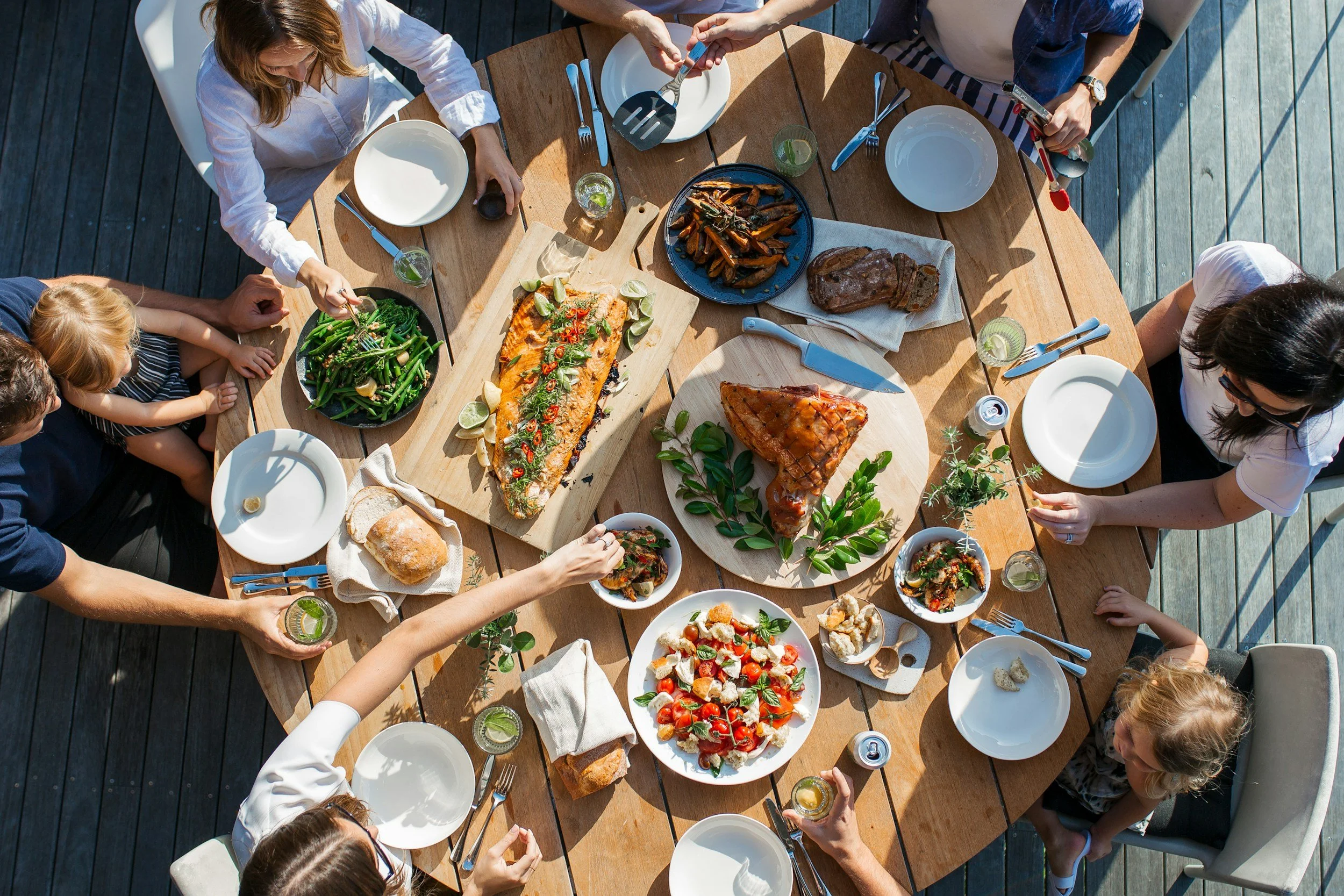
There are many benefits to eating together, like creating stronger relationships with your friends and family, experiencing a more diverse array of foods, and creating healthier habits that stick. Eating together also pushes people to try a variety of foods through introducing others to new foods. During the month of October, we are challenging you to eat with others. Whether that is your family, friends, or classmates, connections can be made through eating together.
Throughout Eat Better, Eat Together Month and the rest of the year, DNO supports initiatives that increase access to fresh fruits and vegetables. While eating together can build connections and encourage healthier habits, focusing on eating better also means making nutritious food accessible to everyone. Food as Medicine initiatives help people facing diet-related diseases access groceries and meals tailored to their health needs. DNO supports this work through produce prescriptions that provide fresh fruits and vegetables to help participants manage their health and build healthier eating habits.
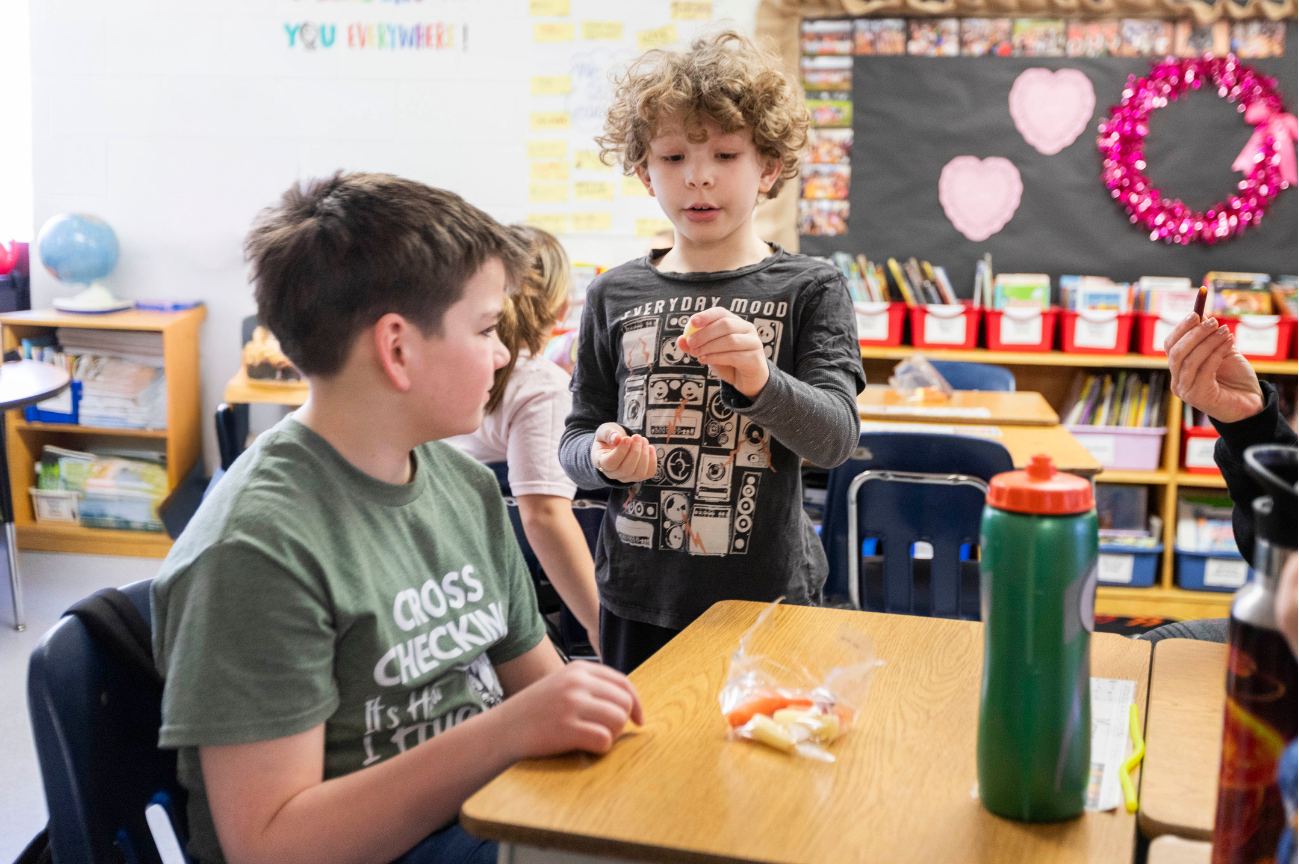
Eating together with family is not the only way to build connections through food. Classrooms have also found positive outcomes for children trying new fruits and vegetables together. Schools are a public health institution and can bring together healthy food, trusted adults, education, and repeated exposure in one setting. SnackTime Explorers, a Food Education program created by DNO & Pilot Light, is an example of how shared tastings can create learning, conversation, and exploration around trying fruits and vegetables. During the 2024-2025 school year, Wayne Westland Community Schools, a participating SnackTime Explorers district, found that 84% of second and third graders agreed with the statement, “I feel connected to my teachers and classmates when we try new foods together,” after the program. Students are not only building connections with each other; they’re also building a connection with nutrition. Students stated that “The food I eat can help my body build to be strong and healthy on the inside and outside.” Eating together also has an impact on kids and adolescents at home, with their families.
A study conducted by the National Library of Medicine found that “Children/adolescents in families who shared ≥3 meals per week are 12% less likely to be overweight than those who shared < 3 meals per week (not moderated by age).” The study also states, “Adolescents/children in families who had ≥5 meals per week were 25% less likely to have poor nutritional health (overweight/unhealthy eating/disordered eating) compared to those in families who had ≤1 meal per week (not moderated by age).” Eating together goes beyond time spent – it leads to long-lasting, positive habits.
This month provides the opportunity to understand how food can be more than just something you eat; it can be an extension of culture, connection, and family. We encourage you to plan one meal with others, and try a new fruit or vegetable. If SnackTime Explorers sounds like it would be a good fit for your school or district, you can learn more at our website, www.SnackTime Explorers.com and sign up for the spring cohort, which will run from February 1st, 2027, through May 26th, 2027. We are proud to continue participating in these programs during Eat Better Eat Together Month, and beyond.